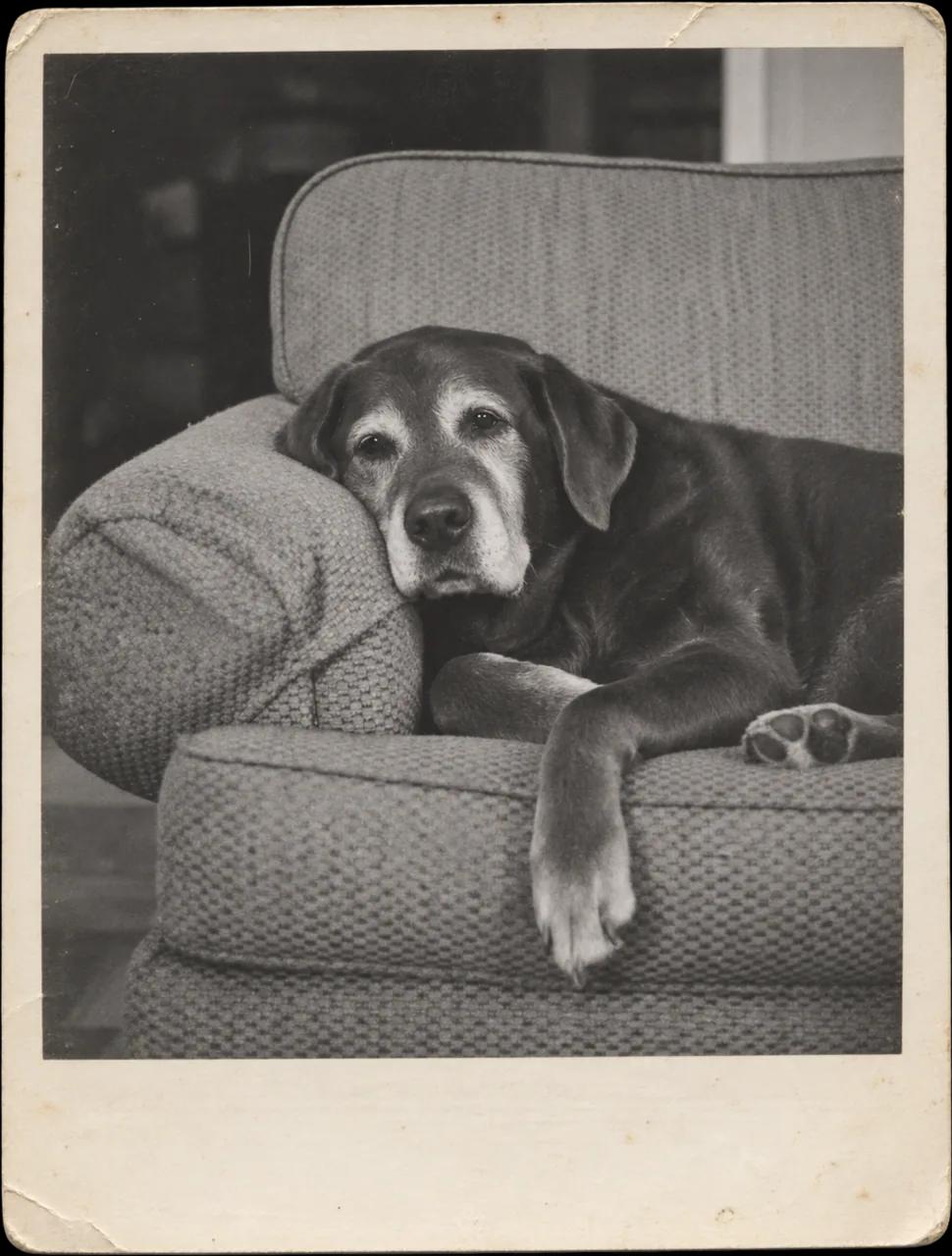
A good day with an older dog is often made of small things. Getting up to greet you. Choosing the longer way home. Settling comfortably after a walk. When you want to understand what is changing, those familiar moments give you a useful place to start.
A mobility journal does not need a device, a perfect video or a score out of ten. It needs observations you can repeat and explain. The aim is to help you and your veterinary team see a pattern without asking your dog to put on a performance.
Pick three moments from the life your dog already lives
Choose activities that are familiar, allowed by the current care plan and easy to notice. Standing after a nap, walking to the usual toilet spot and showing interest when the leash appears might suit one dog. Another dog's useful moments could be eating comfortably, turning in a bed or moving between two rooms.
Keep the choices steady. If you record a garden walk one day and a busy outing the next, describe that difference rather than treating them as the same task. Do not add stairs, jumps or longer walks just to collect a result.
The AAHA guidance on chronic pain assessment explains why consistent owner questions and home observations can be useful. This journal is our original note-taking tool, not a validated pain questionnaire or diagnostic score.
Describe what happened, including the help you gave
Write something another person could picture: "Stood on the second attempt; I steadied the harness" or "Walked to the gate and chose to turn back." These are examples of wording, not accounts from a customer. Include assistance so an easier-looking movement is not mistaken for an independent one.
Record "not attempted" when an activity did not happen. A blank does not mean a symptom was absent. If someone else records an entry, add their initials so you can ask about it later.
Your printable weekly mobility log
Print or copy this table. Fill in the three activities at the top, then use brief descriptions each day. Keep the completed copy for yourself and your veterinary team.
Dog: ____________________ Week beginning: ____________________
Activity A: ____________________ Activity B: ____________________ Activity C: ____________________
| Date / time | Activity A and help | Activity B and help | Activity C and help | Comfort or behavior afterward | Care / routine changes |
|---|---|---|---|---|---|
| ____________ | ____________ | ____________ | ____________ | ____________ | ____________ |
| ____________ | ____________ | ____________ | ____________ | ____________ | ____________ |
| ____________ | ____________ | ____________ | ____________ | ____________ | ____________ |
| ____________ | ____________ | ____________ | ____________ | ____________ | ____________ |
| ____________ | ____________ | ____________ | ____________ | ____________ | ____________ |
| ____________ | ____________ | ____________ | ____________ | ____________ | ____________ |
| ____________ | ____________ | ____________ | ____________ | ____________ | ____________ |
One change I noticed this week: ____________________________________________________________
Use video to explain something words miss
If a movement happens naturally and can be filmed without changing the care plan, ask the clinic whether a short clip would help. A view of the same familiar movement on the same surface is easier to compare than unrelated highlight videos.
Do not repeat a difficult movement to get a better take. The AAHA senior-care guidelines discuss owner photos and videos, including the home environment, as useful preparation for an appointment. A photograph of the route between a bed and a food bowl can sometimes explain a practical obstacle.
Keep changes in care on the page
Note a new medicine, a rehabilitation visit, a different harness or an unusually busy day. Include reduced activity too. A dog may look more comfortable after doing less; that can be useful information, but it is different from tolerating more activity.
Ask the veterinary team which details matter for your dog. They may recommend a specific questionnaire alongside these notes. If they do, use its instructions consistently rather than combining it with a homemade total.
Why ordinary observations are useful
Veterinary care guideline
Home observations help explain your dog's day
The senior-care guideline includes owner photographs and videos, along with information about the home environment, in preparing for appointments. That supports recording familiar routines rather than staging a performance.
- Applies to
- Senior dogs and cats
- Source type
- Clinical guideline, not a treatment trial
- Focus
- Individual care and owner observations
Look back at the whole week
At follow-up, show the ordinary days as well as the best one. Ask whether the pattern changes the plan, what should be reassessed and when to call sooner. A sudden major loss of mobility or severe pain calls for prompt veterinary contact rather than waiting to finish the log; ACVS describes why neurological changes need attention.
Our appointment guide can help organize the conversation. If a product is part of that discussion, bring its actual details; Rewind's product information is available alongside our ingredient guide. The journal cannot prove which treatment caused a change. It can help you remember your dog clearly and make the next decision with a fuller picture.