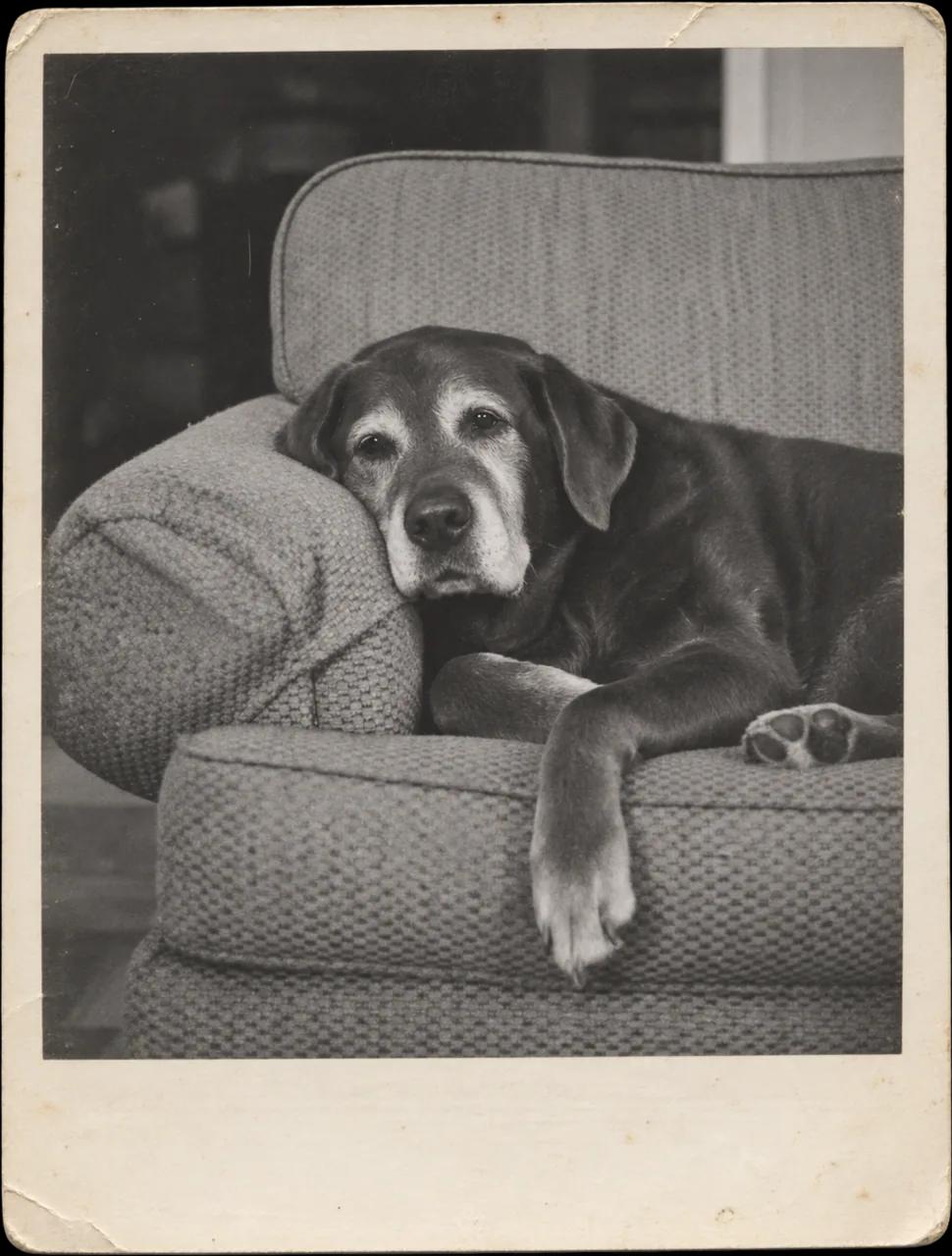
If your dog is getting older and has arthritis, you've probably found yourself cutting a walk short or helping them up from a spot they used to jump out of. You've probably looked at a bunch of joint supplements and want to know what might make them more comfortable. There is strong research to suggest BPC-157 could help that we're about to dig into.
First, why inflammation and muscle health matter
Arthritis affects more than how a joint looks on an X-ray. Pain and stiffness can change how your dog moves and how much they want to do. The American College of Veterinary Surgeons describes signs such as difficulty rising, limping and reduced activity. Care often combines pain management, weight management and rehabilitation.
That is why both inflammation and the tissues involved in movement matter when discussing BPC-157. A dog needs comfortable joints and the strength to use them. Research into inflammatory arthritis and muscle-tendon healing gives us two specific reasons to explore the peptide.
How BPC-157 helps with inflammation and healing
BPC-157 is a small peptide, a chain of 15 amino acids. It was developed from research into a protective protein in human gastric juice. That origin is interesting: the stomach has to contain strong acid and digest food while protecting its own lining.
The interest for a dog with arthritis comes from two properties seen in experimental research: calming inflammation and helping repair the tissues involved in movement. Animal studies provide the clearest findings. Early human reports describe pain relief, and veterinary case reports describe changes in comfort and movement during combined care.
Calming inflammation
Inflammation is part of the body's response to damage. When it continues around an arthritic joint, it can contribute to the soreness and stiffness that make movement uncomfortable.
In rat experiments, BPC-157 reduced inflammatory arthritis and lowered an inflammation-related signal in injured muscle-tendon tissue. For your dog, the goal is less hesitation getting up and easier first steps. Arthritis findings · Inflammation and repair findings.
Helping tissue heal
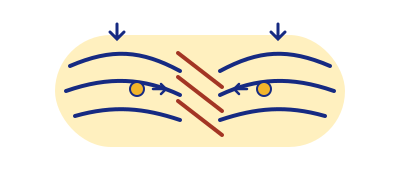
Healing tissue needs a blood supply to bring oxygen and nutrients. It also needs cells that can move into a damaged area and help rebuild it.
BPC-157 has influenced blood-vessel signals and repair-cell movement in experiments. In injured rats, it improved muscle-tendon repair and the ability to use the limb. That is why the research interests owners who want their dogs to move more comfortably. Muscle-tendon findings.
The biological mechanisms that support these benefits
The chart explains five processes studied in cell and animal experiments. How those findings translate into relief for a dog with arthritis still needs clinical testing.
| Mechanism | What it means for healing | What BPC-157 experiments found |
|---|---|---|
| Blood-vessel growth Angiogenesis · VEGFR2 | Blood vessels bring oxygen and nutrients to tissue that needs repair. | BPC-157 increased blood-vessel growth signals in human blood-vessel cells and improved blood-flow recovery in a rat injury model. Paper |
| Repair-cell movement Cell migration · FAK-paxillin | Cells need to move into a damaged area to help rebuild tissue. | Cultured rat tendon cells moved more readily, with changes in the proteins cells use to attach and move. Paper |
| Response to growth hormone Growth hormone receptor upregulation | Receptors let a cell receive a hormone's signal. More receptors may change how strongly the cell responds. | Cultured rat tendon cells developed more growth-hormone receptors and multiplied more when growth hormone was added. Paper |
| Inflammation and blood-flow signaling Anti-inflammatory modulation · Nitric oxide | Nitric oxide helps regulate blood-vessel relaxation and participates in the body's response to injury. | BPC-157 affected nitric-oxide signaling in endothelial-cell and rat experiments. Injured-rat muscle-tendon research also found lower inflammation-related gene expression. Blood-vessel paper · Injured-tissue paper |
| Cell survival and repair signals ERK1/2 | Signals inside cells help control how they grow and respond during repair. | A study of rat wounds and human blood-vessel cells linked BPC-157 to ERK1/2 signaling, cell growth and movement. It measured those repair behaviors, rather than proving survival of damaged joint cells. Paper |
For your dog, the goal behind these ideas is easier, more comfortable movement. The two studies below help explain why inflammation and muscle-tendon repair are especially relevant to that goal.
Two encouraging findings worth knowing
Rat inflammation study
Less inflammatory arthritis in rats
Rats given BPC-157 developed less experimentally induced inflammatory arthritis. The researchers also reported benefit when treatment began after arthritis was established. This induced condition differs from ordinary canine osteoarthritis.
- Studied in
- Rats
- How it was given
- Injection into the abdominal cavity
- Type of study
- Experimentally induced inflammatory arthritis
Rat study
Better muscle-tendon repair and leg function
After a surgical muscle-tendon injury, rats given BPC-157 showed better repair and leg function, with less muscle wasting. Researchers measured tissue healing and the ability to use the injured limb together.
- Studied in
- Rats
- How it was given
- Drinking water with an initial stomach administration; separate injection groups
- Type of study
- Controlled surgical-injury experiment
What combined care can look like for a dog
In a report of four dogs with knee problems, holistic veterinarian Shelby Watson described care that brought several approaches together. Depending on the case and stage, these included nutrition, medicines, herbs, rehabilitation, laser therapy and peptide preparations. Three dogs later received platelet-rich plasma treatment.
The report described improvements in mobility and lameness during that care. Its useful lesson is that helping a dog move more comfortably can involve several parts of their daily life and treatment. Because those parts changed together, the cases cannot tell us how much of the improvement came from BPC-157 alone.
How to track arthritis symptoms at home
You know the movements that have become harder for your dog. Start there. You can track comfort, willingness and the help they need, even though you cannot measure joint damage at home.
| Watch this familiar moment | What improvement might look like | What to record |
|---|---|---|
| Getting up after a nap | Fewer attempts, less hesitation or less help needed | Where they rested and whether you helped them stand |
| The first few minutes of a walk | Less stiffness or a more even stride | The same familiar route and surface when practical |
| An ordinary outing | Fewer pauses or more interest in continuing | Where they chose to turn back and how they were afterward |
| Settling at home | Less difficulty lying down or changing position | How easily they settled in their usual bed |
Keep the activity within your dog's current limits. You do not need to add stairs, longer walks or repeated movements to test progress. A short video of something they do naturally can help you compare their movement from one week to the next.
Look for a pattern across ordinary days
A useful note might say, "Got up on the first try after the morning nap; no help with the harness." That is an example of what to record, not a customer result. Include difficult days too, along with changes in medicines, exercise, flooring or other care.
Improvement might mean doing the same activity with less effort, rather than doing more. Notice what happens afterward as well. A longer walk followed by a much stiffer evening is different from a comfortable walk and an easy rest.
Our weekly mobility journal gives you a place to keep those observations. Sudden severe pain or a new inability to stand needs prompt veterinary attention rather than another week of tracking.
Where Rewind fits
Puppy at Heart makes Rewind, our oral BPC-157 capsules for dogs. Our goal is to help older dogs keep enjoying the walks, play and familiar routines they love. The studies here explain why the ingredient interests us; they are not clinical trials of Rewind.
Explore the BPC-157 guide for ingredient background or the research library for the full study details. At home, start with one familiar moment you would love to see become easier. Write down what it looks like today so you can recognize a change.